ARKANSAS’S FIRST PRIVATE VETERINARY SCHOOL About LCSVM
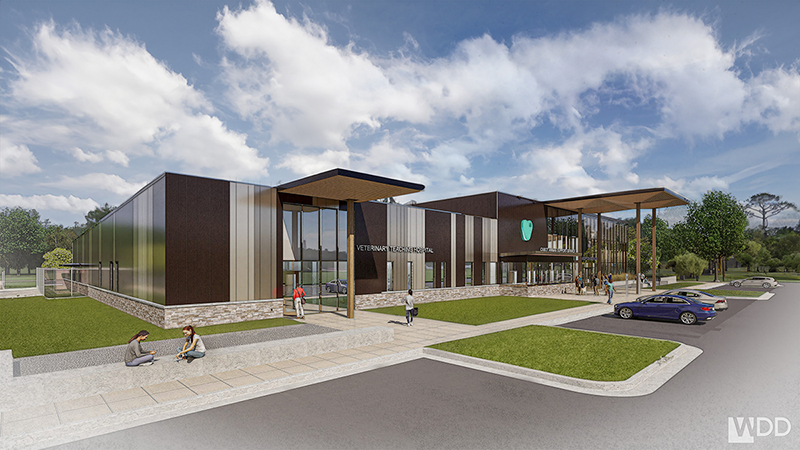
The Lyon College School of Veterinary Medicine
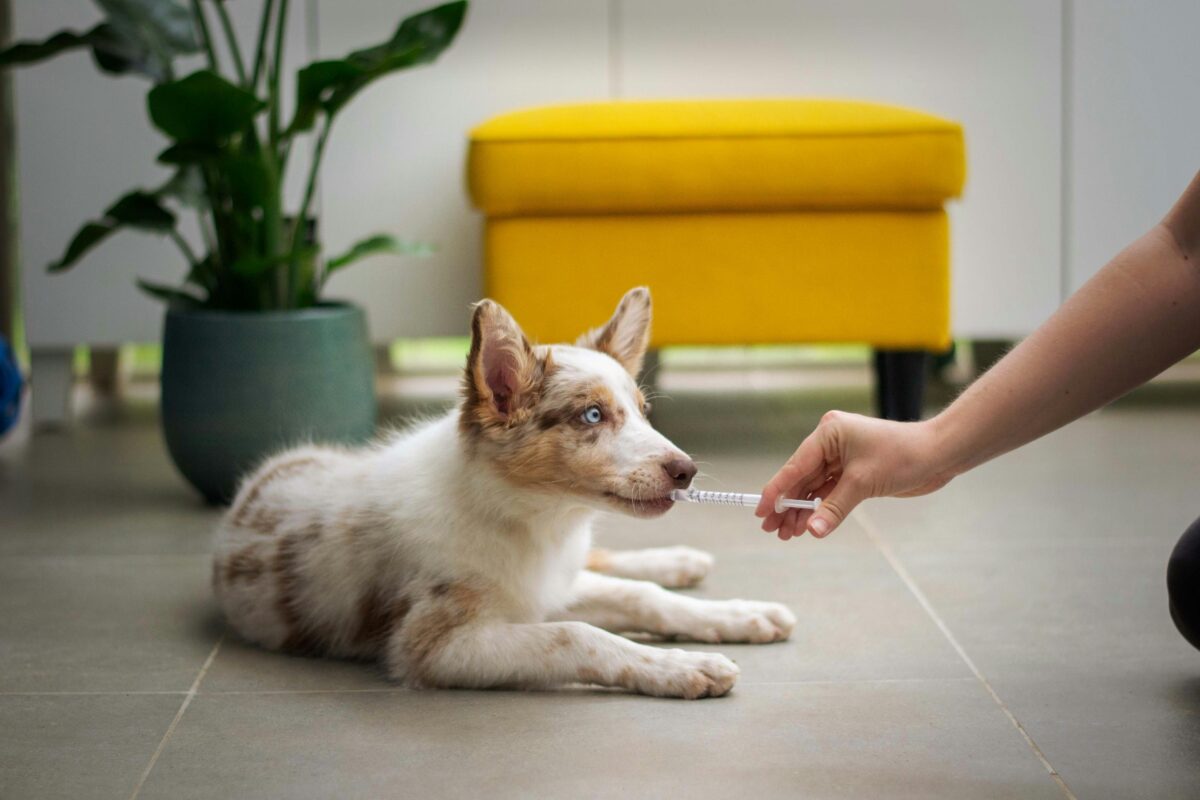
Lyon College is uniquely positioned to address the growing demand for qualified veterinarians, especially in underserved regions of Arkansas, where access to veterinary care has long been a challenge. With a clear focus on community impact and the evolving needs of animal healthcare, the Lyon College School of Veterinary Medicine is dedicated to shaping the next generation of veterinary leaders. The program not only equips students with the technical expertise needed to excel in the field but also emphasizes compassionate care, ethical responsibility, and leadership skills, ensuring that graduates are well-prepared to make a significant difference in veterinary practice.
The Lyon College School of Veterinary Medicine was founded to address the tremendous need for veterinary education in Arkansas. The state has long faced a shortage of veterinarians, particularly in rural and underserved areas. According to the American Veterinary Medical Association (AVMA), Arkansas has one of the lowest veterinarian-to-pet ratios in the country, with many counties experiencing a critical lack of animal healthcare providers. Additionally, the demand for food animal veterinarians continues to rise, as livestock producers struggle to find sufficient veterinary care. By establishing a veterinary school in Arkansas, Lyon College is taking a bold step toward ensuring that communities across the state—and beyond—have access to highly trained veterinary professionals.
Lyon College is committed to producing highly skilled, practice-ready veterinarians who are equipped to meet the growing demands of the profession. Through strong partnerships, hands-on training, and a student-focused curriculum, the Lyon College School of Veterinary Medicine is set to become a transformative force in veterinary education and animal healthcare.
Mission of the Lyon College School of Veterinary Medicine
The mission of the Lyon College School of Veterinary Medicine (LCSVM) is to cultivate competent and confident day-one graduates who are not only career-ready but also future-ready. By fostering critical and creative thinking alongside ethical development, our graduates will emerge as innovative, adaptable problem solvers—disruptors inspired to be lifelong learners and engaged citizens. Grounded in experiential and collaborative learning, they will be well-positioned for fulfilling professional and personal lives as they serve both the veterinary profession and society.
These goals will be achieved in a student-centered environment that focuses on opening students’ minds from day one. LCSVM will emphasize helping students understand how to learn, adjust their learning strategies, stay motivated, and integrate knowledge across disciplines.
Key Features of LCSVM
Recruitment of Innovative, Forward-Thinking Individuals
LCSVM faculty and staff will be dedicated to creative, forward-thinking education that fosters originality and adaptability. Leveraging unique assets and collaborative opportunities, we aim to develop a model of innovative veterinary education to be shared broadly. Students will be inspired by the faculty and staff serving as role models of excellence and creativity.
Career- and Future-Ready Graduates
LCSVM students will engage in a wide range of immersive educational experiences that ensure both career readiness and long-term adaptability. Education will be delivered through a balanced mix of hands-on learning, technology-rich simulations, and collaborative—not competitive—learning environments. Our competency-based, integrated, patient-centered, and evidence-based approach will be threaded with professional and personal development, reinforcing students’ social responsibility and their capacity to contribute meaningfully to society.
Integrated Virtual Learning Environments
Our state-of-the-art virtual learning environments will bring classrooms and research labs to life. Students will participate in virtual surgeries, diagnostics, and simulations, enhancing their practical skills in a safe, immersive setting. These digital platforms will provide access to classrooms, labs, and clinical procedures anytime, anywhere.
Interdisciplinary Approach
LCSVM will emphasize collaboration across disciplines, particularly between veterinary medicine, biotechnology, and environmental science, with a strong focus on the One Health initiative. Students will engage in interdisciplinary projects that foster innovative solutions to healthcare, educational, and conservation challenges.
Global Experiential Learning
Students will have opportunities for international rotations, gaining firsthand exposure to diverse animal care practices and cultural perspectives on veterinary medicine. This global experience will broaden their understanding of global animal health challenges and prepare them to be well-rounded veterinarians.
Innovation Hubs
LCSVM will engage students, faculty, and industry experts through innovation hubs—spaces that encourage collaboration and the development of forward-thinking ideas in veterinary science and education.
Wellness and Mental Health
Recognizing the emotional and physical demands of veterinary practice, LCSVM will prioritize student well-being. The school will offer resources, counseling, and wellness activities designed to reduce stress, promote a healthy work-life balance, and sustain long-term enthusiasm for the profession. Adaptability will be considered a core competency.
Sustainable Practices
LCSVM will uphold a strong commitment to environmental stewardship. The campus will feature green spaces, energy-efficient buildings, and sustainable animal care practices, reflecting our dedication to the health of both animals and the planet.
Clinical Outreach Programs
Through a distributive clinical model, students will gain broad foundational knowledge and hands-on experience across a variety of settings. These experiences will be enhanced with opportunities for deeper specialization tailored to students’ individual interests—whether in clinical practice, public health, research, or beyond.
Community Engagement
LCSVM will foster a commitment to community by engaging with shelters, underserved populations, and other community-based initiatives. Students will work to address access to care, spectrum of care, and other societal challenges that veterinarians are uniquely positioned to influence.
One Health Emphasis
The curriculum will highlight the interconnectedness of human, animal, and environmental health. Students will explore topics such as zoonotic diseases, wildlife conservation, ecosystem health, and public health—opening new pathways in veterinary careers and reinforcing the importance of the One Health philosophy.
Tertiary Care in Academia and Practice
Innovative educational methods will ensure students understand advanced diagnostic and treatment techniques. This foundation will empower them to make effective referrals and explore careers as veterinary specialists, clinician scholars, and educators.
Industry Partnerships
LCSVM will cultivate robust collaborations with animal health organizations, research institutions, livestock groups, pharmaceutical companies, and others. These partnerships will provide students with access to cutting-edge advancements, as well as opportunities for internships, research, and postgraduate placements.
Our Campus
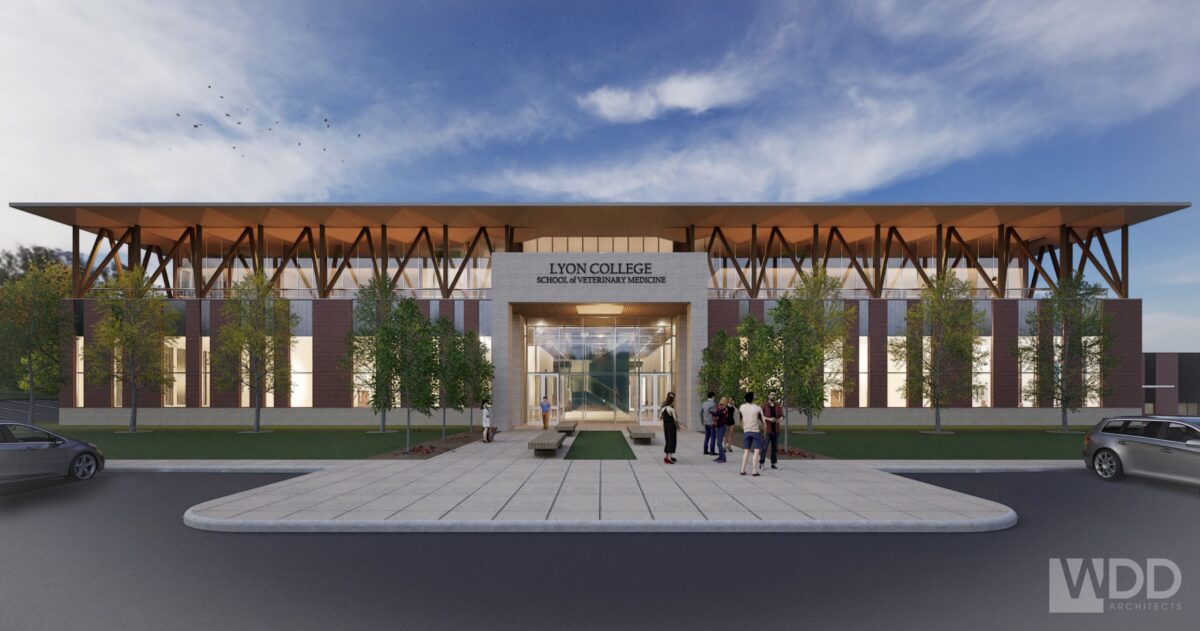
In an innovative partnership with the City of Cabot, the Lyon College School of Veterinary Medicine will be co-located with Cabot Animal Support Services on a beautiful site just off Highway 67, exit 21, in Cabot. This strategic location provides students with hands-on learning experiences in both companion animal and large-animal medicine, strengthening their clinical competencies while serving the community’s needs.
The Lyon College veterinary campus will feature state-of-the-art facilities designed to provide a comprehensive veterinary education. The campus will include advanced small- and large-animal veterinary education spaces and specialized areas dedicated to research and clinical innovation. With a commitment to One Health principles, the school will integrate cutting-edge technology and evidence-based medicine into every aspect of student training.
Katharine Reese Shelter Medicine and Animal Welfare Program
Through the generous support of the Arkansas Animal Rescue Foundation (AARF), the Lyon College School of Veterinary Medicine is launching a transformative initiative that will reshape the landscape of animal welfare and shelter medicine in Arkansas and beyond. An $11 million gift from AARF will establish the Katharine Reese Shelter Medicine and Animal Welfare Program, creating a powerful new hub for veterinary education, community outreach, and compassionate care. Named in honor of Katharine Reese—a lifelong advocate for animals whose vision and generosity continue to inspire—the program will reflect her unwavering commitment to improving the lives of Arkansas’s most vulnerable animals. Located on the Cabot campus and co-located with Cabot Animal Support Services, it will serve as a center of excellence, equipping students with the training and resources needed to elevate shelter medicine as a vital, impactful specialty within the veterinary profession.
The Katharine Reese Shelter Medicine and Animal Welfare Program will fund several vital initiatives, including the creation of the Katharine Reese Endowed Professorship of Shelter Medicine and Animal Welfare, the Katharine Reese Endowed Scholarship program for veterinary students; additional faculty positions, and academic program support. It will also provide funding to construct dedicated teaching and clinical spaces, including classrooms, laboratories, and shelter facilities. A mobile veterinary unit will further extend the program’s reach, allowing students and faculty to deliver care and outreach throughout Arkansas, especially in underserved communities.
This innovative program will enhance the experiential learning opportunities available to Lyon College veterinary students while strengthening partnerships with rescue and animal services organizations. These collaborations will ensure real-world impact, improving the lives of animals through education, research, and community service. By honoring the legacy of Katharine Reese, whose life was devoted to the compassionate care of animals, the program exemplifies Lyon College’s commitment to excellence, innovation, and service in veterinary education.